Winter Downtime Is Expensive: A 30-Day IT Resilience Checklist for CT & MA CFOs

When CFOs in Connecticut and Massachusetts review the true cost of IT downtime, many focus on high-traffic months—yet winter is when unanticipated outages, security incidents, and technical debt bite hardest. At Spectrum Virtual, we have seen organizations crippled for days simply because winter was treated as a quiet season. The truth is, winter downtime is expensive, and the risks only rise when teams are distracted by end-of-year reporting, legacy system cleanups, staff vacations, and surges in phishing scams. That's why we've crafted a detailed, 30-day IT resilience checklist designed for finance leaders who demand real answers and rapid ROI.
Why Winter Downtime Hurts CFOs the Most
Unlike other seasons, winter compounds downtime pain for financial leaders.
- Reduced Response Capacity: Fewer technical and business staff tend to be available due to holidays, making it harder to recover from incidents quickly.
- End-of-Year System Loads: Reporting and compliance deadlines increase strain on critical systems—any downtime can affect filings or audits.
- Security Vulnerabilities Peak: Hackers know IT teams are stretched thin, and use this period to exploit overlooked patches and social engineering.
- Missed Budget Opportunities: If systems are down, planned upgrades and optimizations are delayed, wasting precious budget cycles.
What True IT Resilience Means for CT & MA Enterprises
IT resilience isn't just about backups—it's about the ability to anticipate, withstand, recover from, and adapt to adverse events. For finance leaders, that means aligning IT continuity with ROI and compliance, not just system uptime.
- Valid, regularly tested disaster recovery and business continuity plans
- Layered managed security for both cloud and on-premises infrastructure
- Proactive audits and patch management guided by risk profiles
- Clear communication protocols with executive buy-in
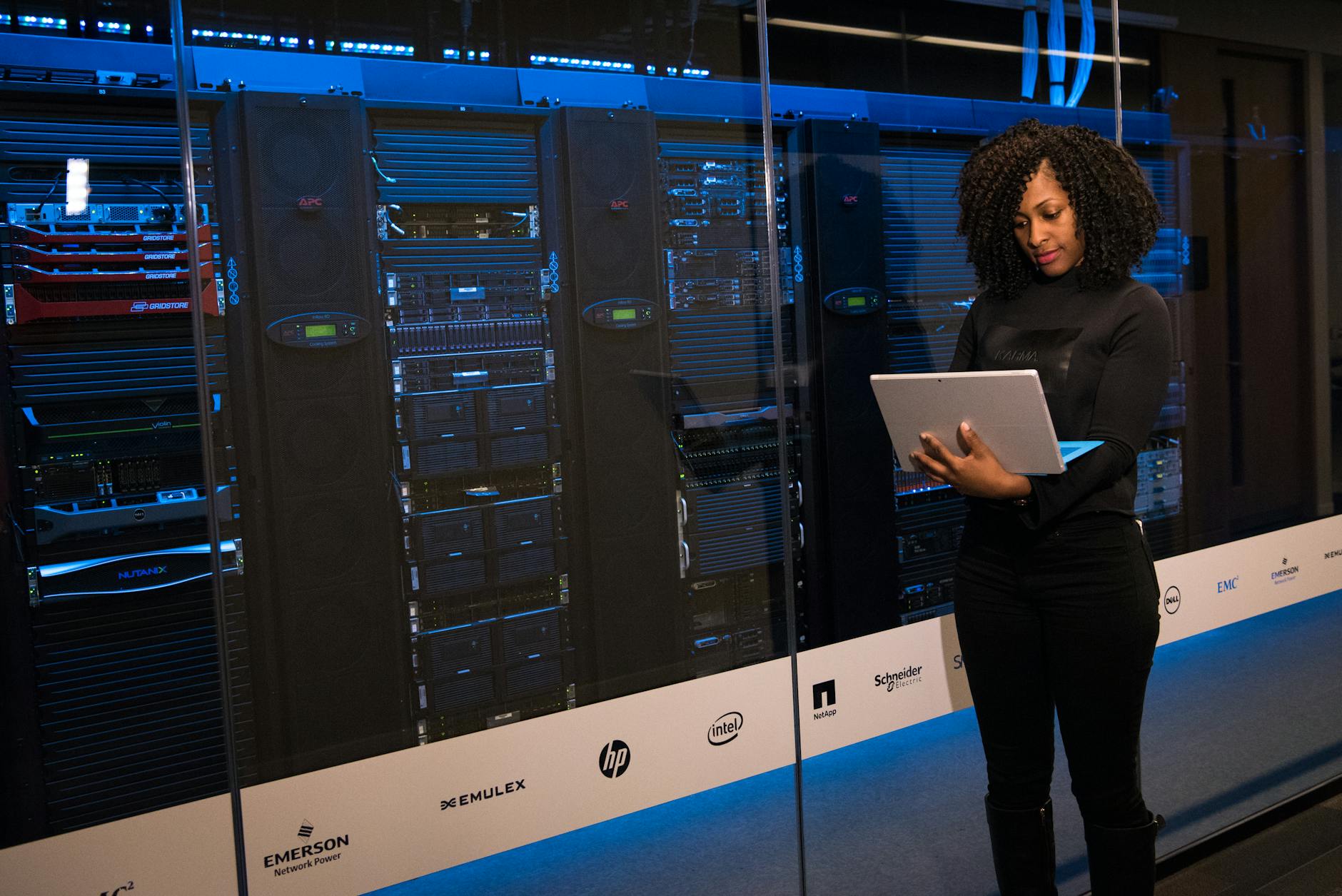
Your Winter IT Resilience Checklist: 30 Days to Protect ROI
This comprehensive 30-day plan isn’t a one-size-fits-all worksheet. It’s the methodical, actionable routine we recommend to CFOs and business owners in Connecticut and Massachusetts when we’re asked: “How do we actually prevent financial loss due to downtime this season?”
Week 1: Audit & Awareness
- Inventory Critical Systems: Identify servers, applications, cloud services, and endpoints supporting your financial processes, customer commitments, and regulatory deadlines.
- Review Recent Incidents: Analyze past outages/downtime and what triggered them. Were they caused by hardware, user error, expired SSLs, or cyber attacks?
- Check User Access Controls: Validate user entitlement reviews—ensure only those who need access to financial and operational data still have it.
- Staff Availability Plan: Confirm on-call rosters, escalation methods, and that everyone knows how to reach IT support—especially during the holidays.
For more on aligning IT with cost and efficiency, see our take in IT Budget Benchmarks for 2026.
Week 2: Security & Patch Actions
- System Patching: Ensure all operating systems, virtual environments, and core business apps are up to date. Schedule updates during off-hours, always with clear rollback plans.
- Test Antivirus & Endpoint Protection: Confirm definitions are current and that endpoint protection logs are actively monitored.
- Email & Endpoint Encryption: Make sure encryption is applied for sensitive communications and that protocols are being followed by both WFH and in-office users.
- Social Engineering Refresher: Brief staff on current phishing tactics and review your social engineering defenses. (For more on this, see our blog on cybersecurity awareness training.)

Week 3: Validate Recovery & Continuity
- Business Continuity Plan Review: Audit your current continuity playbook. Are contact details and vendor contracts up to date? When did you last validate the plan for winter-specific threats like power outages or severe weather?
- Disaster Recovery Testing: Test restoration of core financial data and applications from backup in a non-production environment. Time each test from detection to full restoration to measure real RTOs and RPOs.
- Power & Connectivity Checks: Inspect UPS/battery backups, verify generator readiness, and confirm redundancy in internet connectivity for primary office and remote users.
- Cloud/Hybrid Review: Evaluate your mix of on-premises, cloud, and hybrid resources. Can your team access all essentials remotely if needed?
Winter-specific threats demand tailored resilience. Dive deeper with our recent post on business continuity planning for CT & MA organizations.
Week 4: Finalize, Communicate, and Simulate
- Incident Response Simulation: Run a tabletop scenario based on likely winter events (e.g., ransomware with half-staff due to holidays). Debrief on performance gaps and communication breakdowns.
- Vendor & Partner Contact Validation: Make sure support contacts for managed services, ISPs, and hardware vendors are valid and contracts current.
- Executive Summary: Provide a clear, non-technical summary to business leaders. Include any actions needed at the C-suite or board level—for example, approving emergency procurement or expediting support contracts.
- Continuous Monitoring Review: Ensure 24/7 monitoring tools and alerting are functioning, notifications reach the right people, and thresholds reflect current risks.

Bonus: CFO-Specific Questions to Ask Before the Cold Hits
- What are the direct and indirect costs for each hour of downtime in our most critical systems?
- Which single points of failure could interrupt payroll, invoice processing, or compliance submissions?
- How confident are we—based on testing, not just documentation—that we can recover apps and data quickly during staff absences?
- Have we updated controls and incident playbooks to reflect a more remote, distributed workforce?
Practical Tools & Approaches for CT/MA Businesses
Our approach at Spectrum Virtual is to make resilience tactical, not theoretical. We advocate for solutions that deliver holistic protection without ballooning expenses:
- Virtualized Infrastructure: Run core apps in secure, managed environments with built-in redundancy.
- Managed Hybrid Cloud: Ensure seamless failover between your on-prem and cloud resources.
- Security-First Bundles: Deploy everything from managed end-user support to hosted virtual desktops and disaster recovery baked into a single, budgetable package. (Read more about managed bundles in our deep dive.)
- Continuous Security Consulting: Regular network risk assessments, penetration testing, and policy reviews tailored for CFO-level accountability.
Checklist Download & Next Steps
Many CFOs in Connecticut and Massachusetts discover, all too late, that IT resilience is a year-round discipline. Downtime does not wait for the busy season and neither should your defenses. Don’t let winter catch your organization off guard. Our team at Spectrum Virtual is ready to help you build or validate your IT resilience plan for the months ahead—so you can focus on what matters: results, compliance, and sustainable growth.
Continue Learning
- Year-End IT Savings: Quick Wins for CFOs
- How to Evaluate Managed IT Services Providers
- Virtualization Consulting: The CFO Playbook
Ready to get granular with your own 30-day plan, or want an outside perspective on how to make IT resilience a true differentiator? Let’s talk. We’re always happy to share, strategize, and help business leaders like you drive radical improvements—before the first snowflake falls.